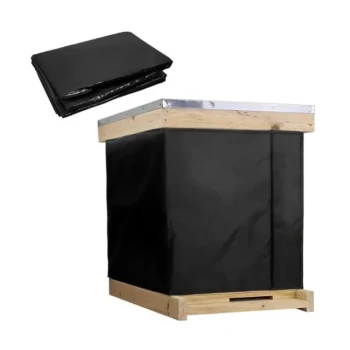
The unassuming beehive top cover plays a far more critical role than most beekeepers realize. Acting as your colony's first line of defense against temperature swings, pests, and weather extremes, its design and material composition directly influence hive productivity and longevity.
The Critical Role of Beehive Top Covers
How Top Covers Regulate Hive Microclimates
Bee colonies maintain precise internal temperatures between 32-35°C (90-95°F) for brood rearing—a biological necessity that demands effective thermal regulation. The top cover serves as:
- A thermal buffer: Moderating heat transfer between the hive and external environment
- A condensation manager: Preventing excessive moisture buildup that promotes mold
- A ventilation aid: Some designs incorporate adjustable airflow mechanisms
Research shows that colonies under poorly insulated covers expend up to 30% more energy on temperature regulation, reducing honey production capacity.
Material Choices: Balancing Durability and Insulation
The ongoing debate between traditional wood and modern synthetic materials centers on three key performance factors:
-
Thermal conductivity (how readily heat passes through the material)
- Wood (like cedar): Naturally insulates while allowing minimal moisture absorption
- Polystyrene: Provides superior insulation but requires protective outer layers
- Metal: Often used as protective topping over insulating materials
-
Longevity
- Cedar naturally resists rot and pests but requires periodic resealing
- High-density plastics withstand decades of use but may degrade under UV exposure
-
Colony compatibility
Bees demonstrate clear preferences—studies indicate they propolize wood surfaces more readily than plastics, suggesting better acceptance of natural materials.
Advanced Protection Strategies
Pest Exclusion Techniques Integrated into Cover Designs
Forward-thinking manufacturers now incorporate these pest-deterring features:
- Precision-milled grooves: Creates a bee-tight seal when combined with inner covers
- Perimeter fencing: 3mm aluminum or stainless steel barriers deter wax moths
- Vent screens: 2.4mm stainless steel mesh blocks small hive beetles while allowing airflow
Apiaries using covers with integrated pest defenses report nearly 40% fewer infestations compared to basic designs.
Weatherproofing Innovations for Extreme Climates
Regional adaptations have led to specialized cover systems:
- Northern climates: Triple-layer designs with insulated cores and snow-load reinforcement
- Arid regions: Reflective aluminum cladding reduces solar heat gain
- High-rainfall areas: Steeply pitched "roof" styles with overhanging eaves
A 3-year apiary trial demonstrated that climate-appropriate covers reduced winter colony losses by over 50% in temperate zones.
Practical Guidance for Beekeepers
Selecting the Right Cover for Your Hive Type
Match cover specifications to your hive configuration:
| Hive Type | Recommended Cover Features |
|---|---|
| Langstroth | Standard 16" depth with telescoping design |
| Top-Bar | Lightweight with rainproof overhang |
| Warre | Quilt box integration for moisture control |
Pro Tip: Measure your hive bodies before purchasing—"standard" sizes vary between manufacturers by up to 5mm.
Maintenance Tips to Prolong Cover Lifespan
Extend your investment's value with these care practices:
- Annual inspection: Check for warping, cracks, or compromised seals
-
Cleaning protocol:
- Remove propolis buildup with a hive tool
- Sanitize with a 5% vinegar solution (never pressure wash)
-
Protective treatments:
- Wood: Apply thin coats of bee-safe tung oil every 2 years
- Plastic: UV-protectant sprays prevent brittleness
Beekeepers who implement regular maintenance typically get 8-12 years from quality covers versus 3-5 years from neglected ones.
Ready to upgrade your apiary's first line of defense? HONESTBEE's wholesale beekeeping supplies include precision-engineered top covers designed for commercial-scale durability and colony health. Our beekeeping equipment distributors receive bulk pricing on industry-leading designs—because when your covers perform better, your entire operation becomes more productive.
Guia Visual

Produtos relacionados
- Cobertura exterior telescópica da colmeia Telhado com chapa galvanizada para colmeia Langstroth e cobertura exterior da colmeia
- Cobertura interior da colmeia para apicultura Cobertura interior da colmeia
- Envolvimento de colmeia de inverno com isolamento profissional para apicultura
- Alimentador de colmeia redondo HONESTBEE para xarope
- Alimentador de colmeias profissional para apicultura
Artigos relacionados
- How Outer Telescoping Covers Protect Beehives: Materials and Design Explained
- Como as Coberturas Telescópicas para Colmeias Superam em Climas Frios: Uma Análise Custo-Benefício
- Como Proteger as Coberturas das Colmeias: Estratégias à Prova de Intempéries para Cada Tipo de Colmeia
- Como Escolher Entre Tampas Telescópicas e Migratórias para a Sua Colmeia Langstroth
- How to Strengthen Langstroth Hive Roofs Against Storms Without Compromising Functionality