Successful requeening requires more than just introducing a new queen—it demands careful observation of colony behavior, pheromone signals, and brood patterns. This guide reveals the multi-factor verification system used by professional apiarists to prevent costly queen rejections.
Understanding Queen Introduction in Honeybee Colonies
The Science Behind Candy Plug Removal
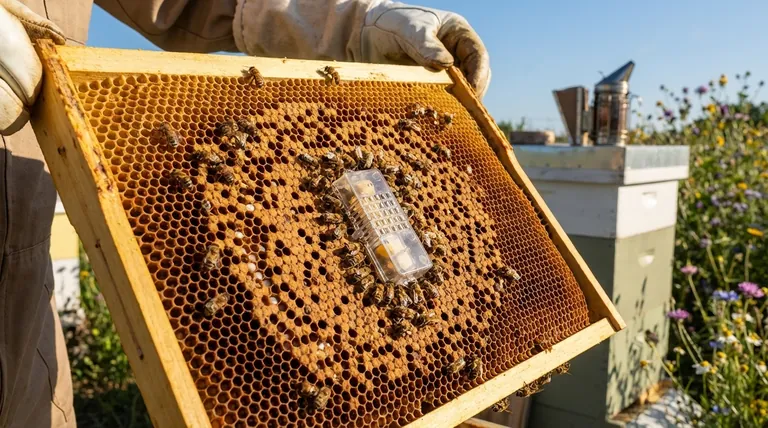
Worker bees gradually eat through the candy plug in queen cages, allowing pheromone exchange during the 2–7 day adjustment period. Research shows colonies that methodically release the queen exhibit higher acceptance rates than those manually released.
Key acceptance signs during this phase:
- Bees lightly antennating (not biting) the cage
- Calm clustering near the cage entrance
- Absence of "balling" behavior (workers forming aggressive clusters to kill the queen)
Behavioral Cues Beyond Basic "Tending"
While worker bees tending to the queen is positive, deeper verification comes from:
- Forager activity: Accepted queens trigger normal pollen/nectar collection within 48 hours
- Brood care continuity: Nurses continue feeding existing larvae without disruption
- Orientation flights: Young bees resume orientation flights 3–4 days post-introduction
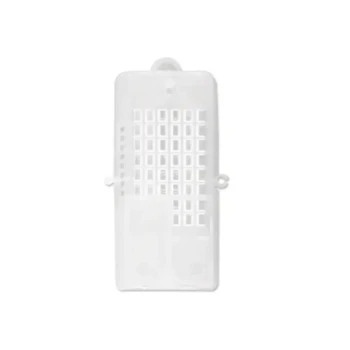
Pro Tip: HONESTBEE’s ventilated queen cages allow optimal pheromone diffusion while protecting the queen during this critical phase.
Validating Acceptance Through Colony Dynamics
Pheromone Signals and Worker Response Patterns
A mated queen’s mandibular pheromones should suppress worker ovary development within 72 hours. Monitor for:
- Retinue formation: 5–12 workers constantly surrounding the queen
- Stable hive sounds: Distinctive "queen piping" indicates hierarchy establishment
- Comb construction: Workers building worker-sized (not drone) cells
Egg-Laying Verification as the Ultimate Test
The definitive acceptance marker is a mixed-age brood pattern within 10–14 days:
| Timeframe | Expected Development |
|---|---|
| Days 1–3 | Queen explores comb, minimal laying |
| Days 4–7 | Concentrated egg patches (50+ eggs/day) |
| Days 8–14 | Capped worker brood in concentric pattern |
Rejection red flags:
- Spotty brood patterns
- Multiple eggs per cell
- Worker bees laying drone eggs
Troubleshooting Requeening Challenges
Early Warning Signs of Queen Rejection
- Aggressive behaviors: Bees chasing or biting the queen
- Abnormal sounds: Loud roaring indicates distress
- Absconding attempts: Workers preparing to swarm
Proactive Measures to Stabilize the Colony
If rejection signs appear:
- Re-cage temporarily: Allow more pheromone acclimation
- Boost pheromones: Add frames of open brood from accepting hives
- Environmental control: Maintain 93–95°F hive temperature for optimal acceptance
For high-volume operations: HONESTBEE’s bulk queen shipping systems maintain ideal humidity/temperature during transport, reducing introduction stress.
Ready to Minimize Requeening Failures?
HONESTBEE equips commercial apiaries with industry-leading queen introduction systems—from temperature-stable transport cages to pheromone diffusers. [Contact our wholesale team] today for bulk solutions that keep your colonies productive.
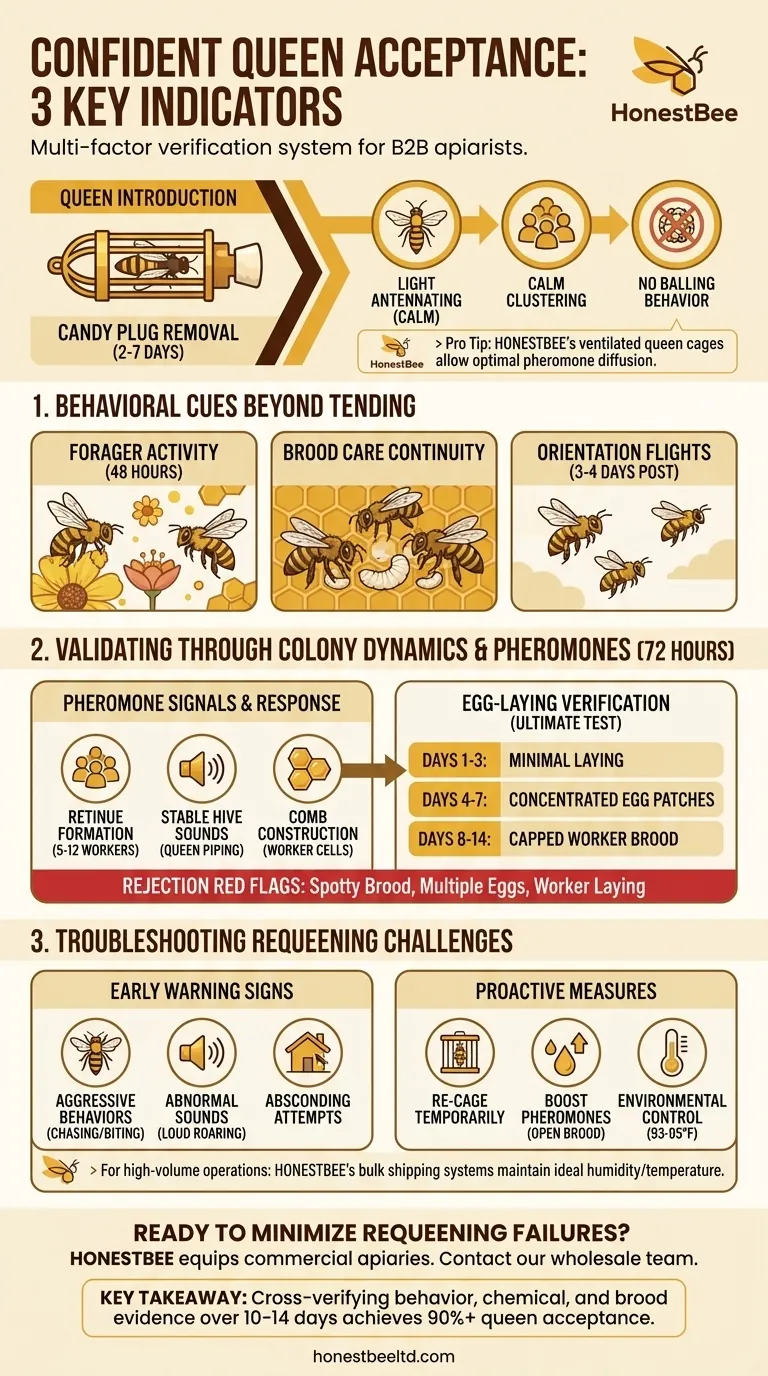
Key Takeaway: By cross-verifying behavioral, chemical, and brood evidence over 10–14 days, beekeepers can achieve 90%+ queen acceptance rates while maintaining colony stability.
Guia Visual
Produtos relacionados
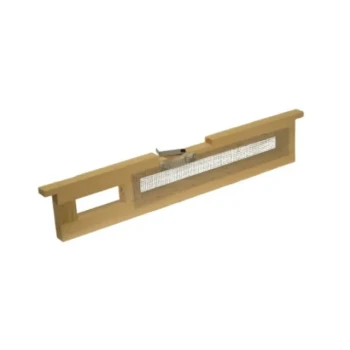
- Quadro Profissional de Madeira para Requeenização de Abelhas
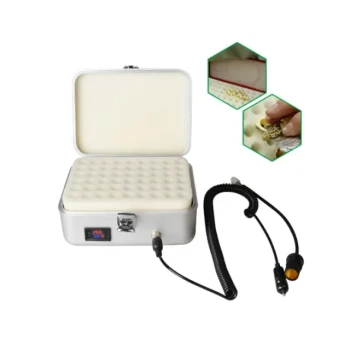
- Incubadora Portátil de Abelhas Rainhas com Adaptador de Carro 12V para Transporte Seguro
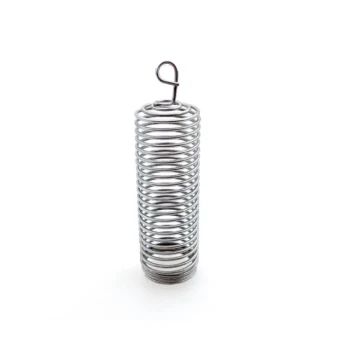
- Gaiola de Mola de Aço Galvanizado Durável para Abelha Rainha
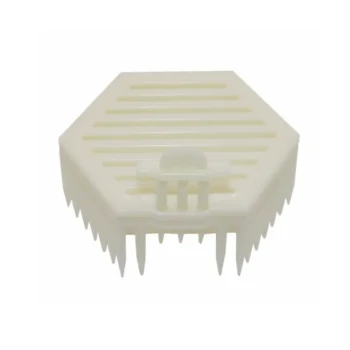
- Gaiola Hexagonal de Introdução Direta de Rainhas na Colmeia
- Gaiola Profissional Multifuncional para Abelha Rainha
Artigos relacionados
- Quadros montados vs. quadros não montados: Análise do valor do tempo de um apicultor
- As Suas Colmeias Estão a Impedir o Seu Progresso? Desvendando as Trocas Ocultas na Gestão de Abelhas
- Cansado de Quadros de Cera Caindo? O Custo Oculto das Colmeias "Baratas"
- Como as Estruturas de Madeira Oferecem Melhor Valor a Longo Prazo para Apicultores Comerciais
- O Dilema do Apicultor: Escolhendo um Sistema de Quadros para Longevidade e Rendimento