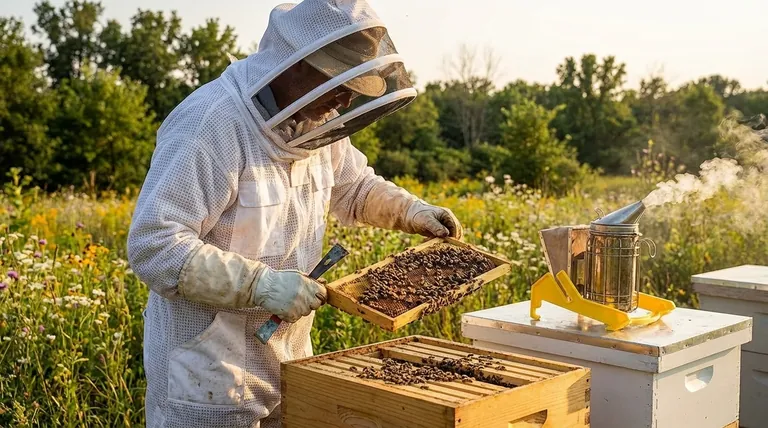
Beekeeping demands more than just passion—it requires the right protective gear to ensure safety without compromising comfort. Whether you're a commercial beekeeper or a distributor stocking up on equipment, understanding the nuances of bee suits, gloves, and accessories can make all the difference. This guide dives deep into selecting, using, and maintaining gear that balances protection, breathability, and durability.
Essential Beekeeping Protective Gear
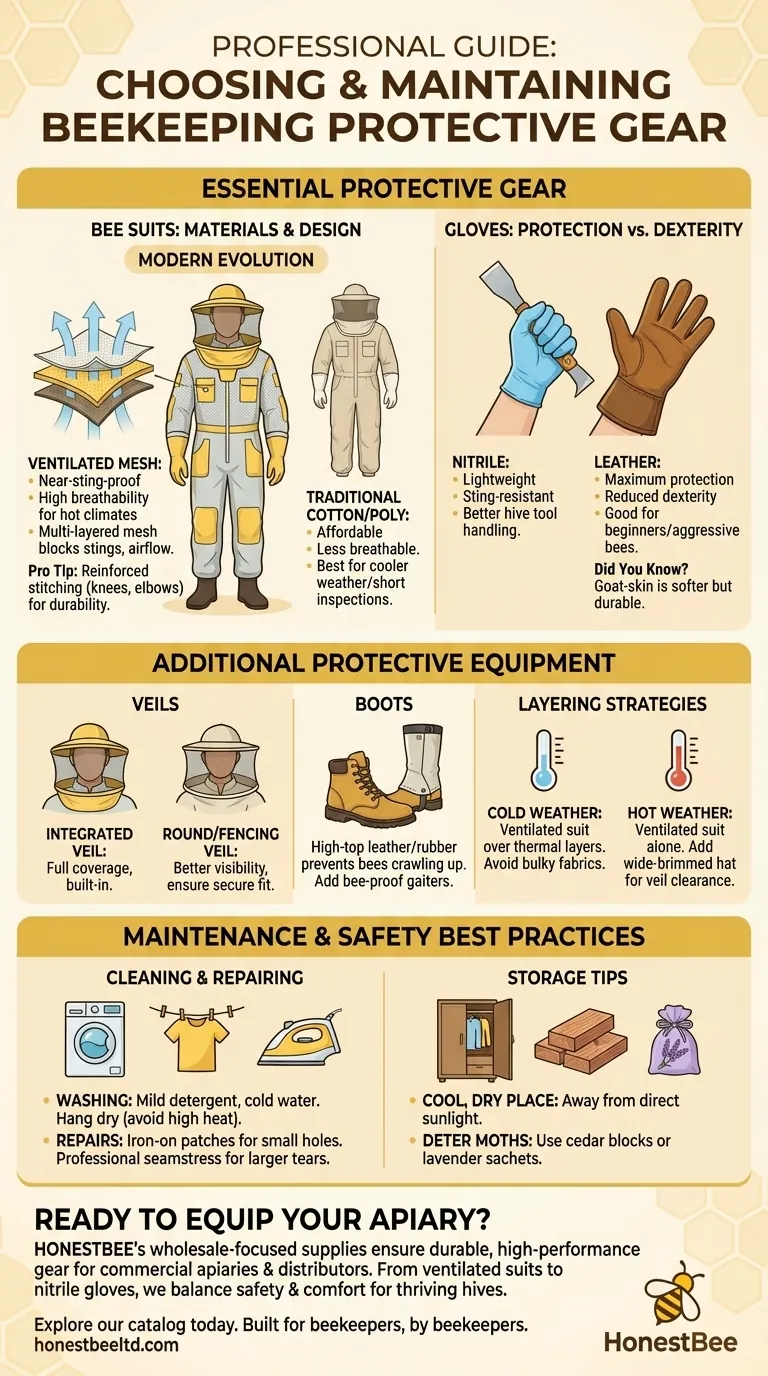
Bee Suits: Materials and Design Features
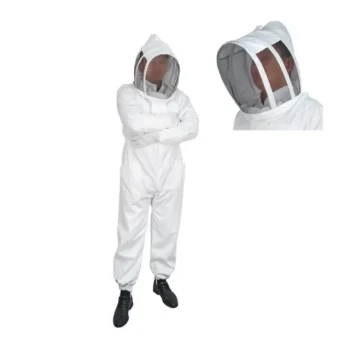
Modern bee suits have evolved far beyond traditional cotton canvas. Here’s what to prioritize:
-
Ventilated Mesh Suits:
Research shows ventilated suits offer near-sting-proof protection while keeping wearers cool. The multi-layered mesh design blocks stings but allows airflow—ideal for hot climates. Unlike older cotton suits, these can be worn without extra layers underneath.- Pro Tip: Look for reinforced stitching at stress points (knees, elbows) to prevent wear and tear.
-
Traditional Cotton/Polyester Blends:
Affordable and widely available, but less breathable. Best suited for cooler weather or shorter hive inspections.
Gloves: Balancing Protection and Dexterity
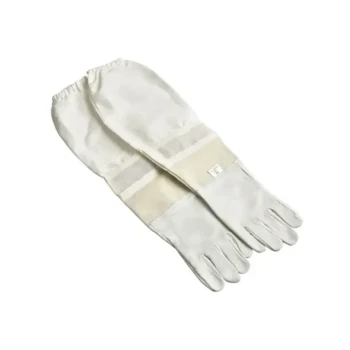
Gloves are a trade-off between safety and tactile sensitivity:
-
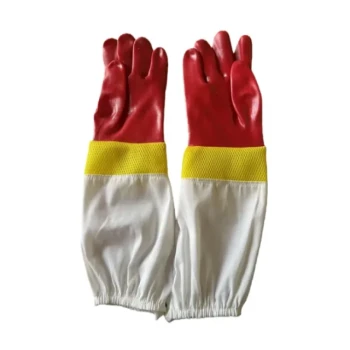
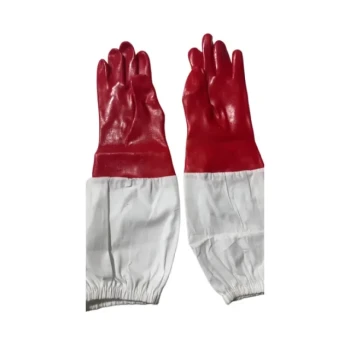
Nitrile Gloves:
Lightweight and sting-resistant, preferred by experienced beekeepers for better hive tool handling. -
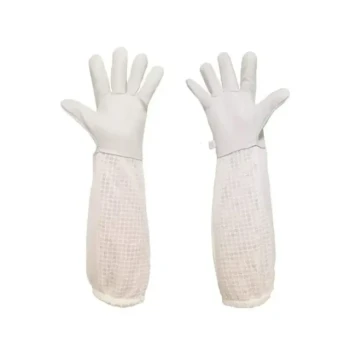
Leather Gloves:
Offer maximum protection but reduce dexterity. Often used by beginners or during aggressive hive behavior.
Did you know? Some beekeepers opt for goat-skin gloves—softer than cowhide but equally durable.
Additional Protective Equipment
Veils, Boots, and Accessories
-
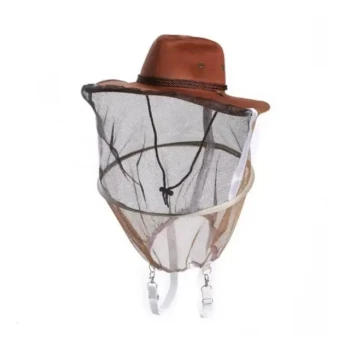
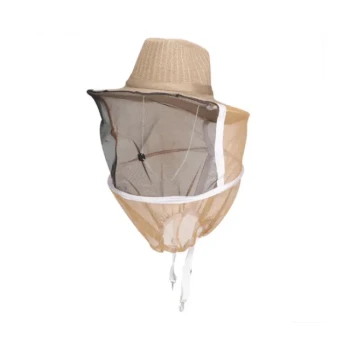
Veils: Choose between:
- Integrated Veils: Built into suits for full coverage.
- Round or Fencing Veils: Offer better visibility but may gap if not secured properly.
- Boots: High-top leather or rubber boots prevent bees from crawling up ankles. Pair with bee-proof gaiters for added security.
Layering Strategies for Extreme Conditions
- Cold Weather: Layer a ventilated suit over thermal clothing. Avoid bulky fabrics that restrict movement.
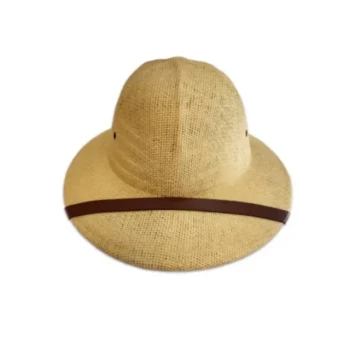
- Hot Weather: Ventilated mesh suits alone suffice. Add a wide-brimmed hat to keep the veil off your face.
Maintenance and Safety Best Practices
Cleaning and Repairing Bee Suits
- Washing: Use mild detergent and cold water to preserve fabric integrity. Hang dry—avoid high heat that weakens mesh fibers.
- Repairs: Patch small holes with iron-on fabric patches. For larger tears, send to a professional seamstress familiar with bee gear.
Storage Tips to Prolong Gear Lifespan
- Store suits and gloves in a cool, dry place away from direct sunlight.
- Use cedar blocks or lavender sachets to deter moths (bees hate the smell too!).
Ready to Equip Your Apiary?
HONESTBEE’s wholesale-focused beekeeping supplies ensure commercial apiaries and distributors get durable, high-performance gear. From ventilated suits to nitrile gloves, our products are designed to keep you safe and comfortable—so you can focus on what matters: thriving hives.
Explore our catalog today and stock up on gear built for beekeepers, by beekeepers.
Products You Might Be Looking For:
Explore professional beekeeping hats with veils
Guia Visual
Produtos relacionados
- Chapéu Premium de Apicultor Estilo Cowboy com Véu de Visibilidade, Equipamento de Proteção Profissional para Apicultura ao Ar Livre
- Fato de Apicultor Premium de Algodão com Véu de Cercas Reforçado
- Casaco e véu de algodão branco para apicultores
- Luvas de Apicultura em Pele de Cabra com Manga Longa de Algodão para Apicultores
- Casaco de apicultura com capuz e véu para apicultores
Artigos relacionados
- Como escolher e cuidar do equipamento de proteção para a apicultura que funciona
- O Ponto Cego do Apicultor: A Ergonomia Cognitiva de um Véu
- Malha Preta, Visão Clara: A Engenharia Invisível no Véu de um Apicultor
- O Véu é um Cockpit: Uma Abordagem de Sistemas para Foco e Segurança do Apicultor
- Why Every Beekeeper Needs a Veil: Science-Backed Protection Against Stings