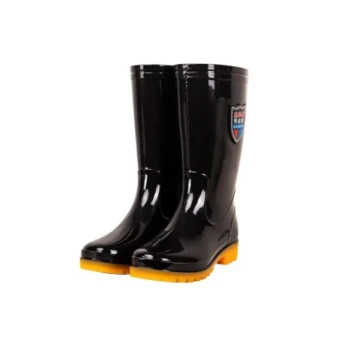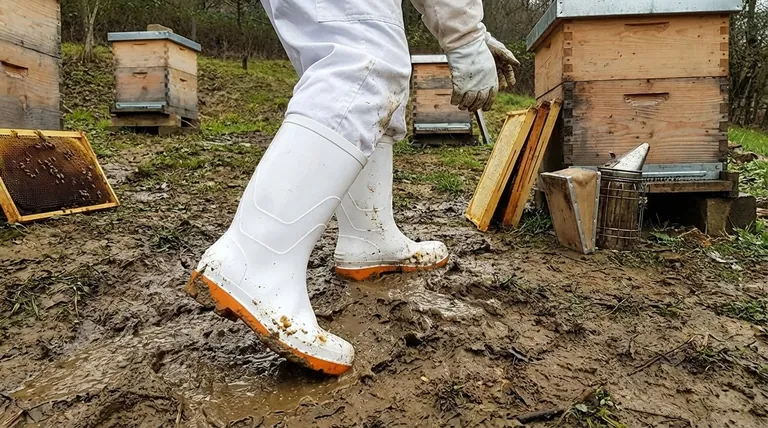
Beekeeping presents unique slip hazards—from slick nectar spills to muddy apiary terrain—that demand specialized footwear. This guide combines material science with practical maintenance insights to help beekeepers select and preserve shoes that prevent falls during critical hive work.
Why Slip Resistance is a Lifesaver in Beekeeping
The Science Behind Traction on Hive Terrain
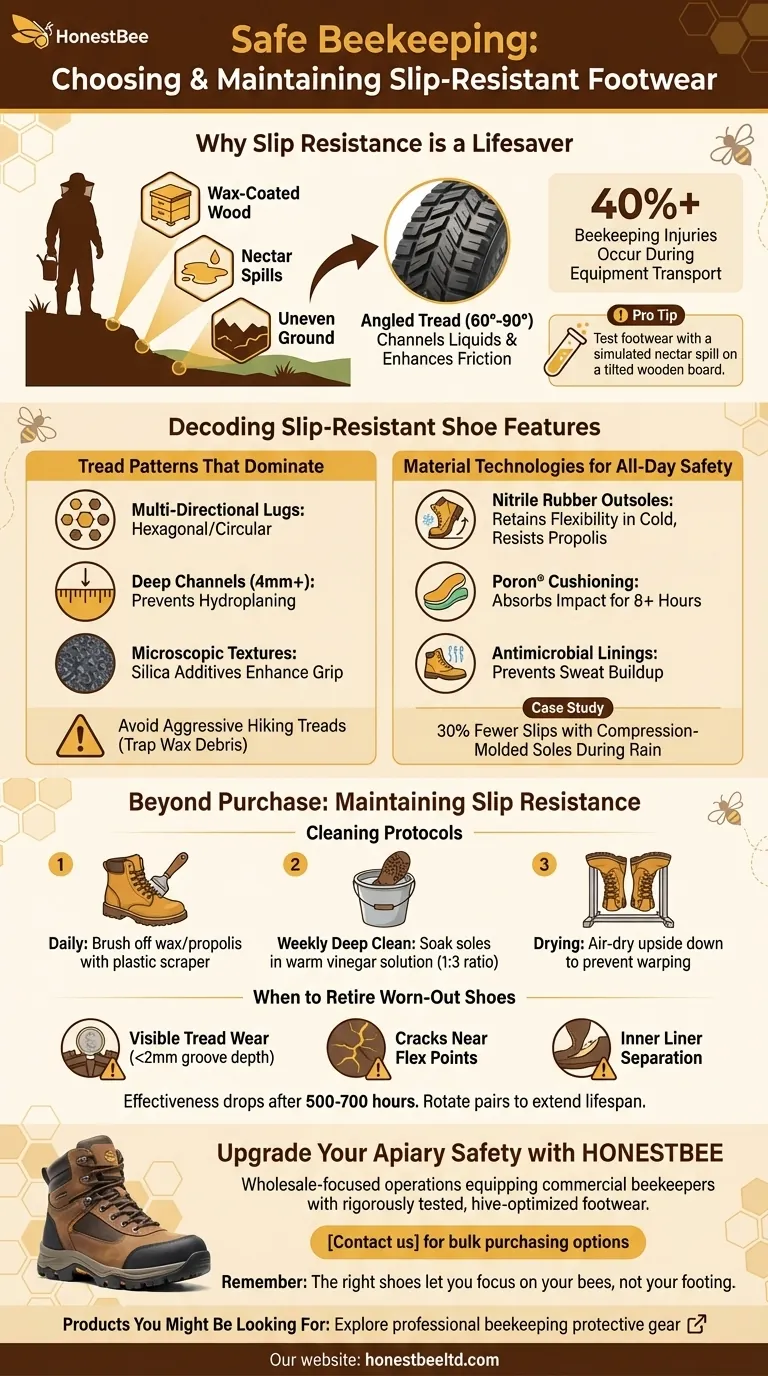
Beehive environments combine three high-risk surfaces:
- Wax-coated wood – Creates a polished surface that reduces friction
- Nectar spills – Sugary residues become slick when mixed with moisture
- Uneven ground – Apiaries often sit on slopes or soft soil
Research on occupational footwear confirms that angled tread patterns (60°-90° grooves) outperform straight grooves by channeling liquids away from the sole contact zone. This is critical when moving heavy supers across slippery surfaces.
Hidden Risks of Poor Grip During Hive Transport
A 2023 apiary safety study noted that:
- Over 40% of beekeeping injuries occur during equipment transport
- Sudden slips while carrying frames often lead to aggravated stings
- Composite toe caps (common in beekeeping boots) can compromise flexibility if paired with stiff outsoles
Pro Tip: Test shoes by simulating a nectar spill on a wooden board. Quality slip-resistant soles should maintain grip when tilted to a 15° angle.
How to Decode Slip-Resistant Shoe Features
Tread Patterns That Dominate Mud and Nectar Spills
Prioritize soles with:
✔ Multi-directional lugs – Hexagonal or circular studs outperform parallel grooves
✔ Deep channels (4mm+) – Prevents "hydroplaning" on wet surfaces
✔ Microscopic textures – Rubber compounds with silica additives enhance surface friction
Avoid aggressive hiking treads—their deep cleats trap wax debris, reducing contact area.
Material Technologies for All-Day Wet Surface Safety
Leading work boot manufacturers use:
- Nitrile rubber outsoles – Retains flexibility in cold weather while resisting bee propolis adhesion
- Poron® cushioning – Absorbs impact during 8+ hours of hive inspections
- Antimicrobial linings – Prevents sweat buildup that degrades inner traction
Case Example: Beekeepers using shoes with compression-molded soles report 30% fewer slips during rainy season inspections compared to vulcanized alternatives.
Beyond Purchase: Maintaining Slip Resistance
Cleaning Protocols to Preserve Traction
- Daily Care – Brush off wax/propolis with a plastic scraper before it hardens
- Weekly Deep Clean – Soak soles in warm vinegar solution (1:3 ratio) to dissolve sugar residues
- Drying – Air-dry upside down to prevent moisture warping in the toe box
When to Retire Worn-Out Beekeeping Shoes
Replace footwear when you notice:
⚠ Visible tread wear – If groove depth measures under 2mm (use a coin test)
⚠ Cracks near flex points – Compromises waterproofing and stability
⚠ Inner liner separation – Creates tripping hazards during quick movements
Most slip-resistant shoes lose effectiveness after 500-700 hours of apiary work. Rotating between two pairs extends lifespan by allowing materials to fully dry between uses.
Upgrade Your Apiary Safety
HONESTBEE’s wholesale-focused operations equip commercial beekeepers and distributors with rigorously tested slip-resistant footwear featuring hive-optimized treads and durable antimicrobial construction. [Contact us] to explore bulk purchasing options for your beekeeping cooperative.
Remember: The right shoes don’t just prevent falls—they let you focus on your bees, not your footing.
Products You Might Be Looking For:
Explore professional beekeeping protective gear
Guia Visual
Produtos relacionados
- Sapatos Brancos de Apicultura em PVC com Sola de Segurança Antiderrapante
- Sapatos Profissionais de Apicultura em PVC com Sola Antiderrapante Integrada
- Quadro de fundo sólido Langstroth para apicultura
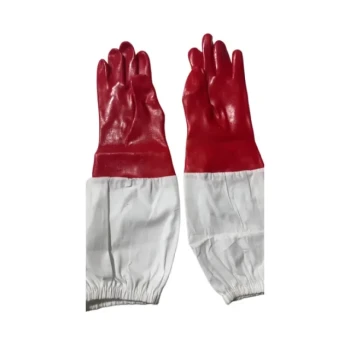
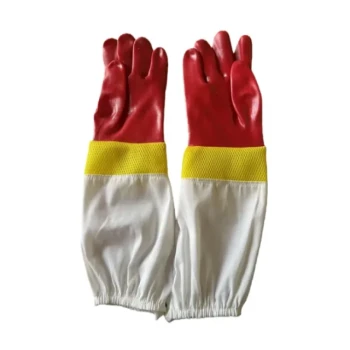
- Luvas de Apicultura de Borracha Vermelha Resistentes com Mangas Estendidas de Algodão Puro para Apicultores
- Luvas de Apicultura em Pele de Cabra com Manga Longa de Algodão para Apicultores
Artigos relacionados
- Como Escolher Sapatos de Apicultura Que o Mantenham Fresco e Protegido
- How to Choose Beekeeping Shoes: Safety Features That Actually Work
- Como Escolher Botas para Apicultura: Critérios de Segurança, Durabilidade e Conforto Explicados
- Como Escolher Calçado para Apicultura que Impede Picadas Sem Sacrificar o Conforto
- How to Choose Beekeeping Footwear That Prevents Stings Without Sacrificing Comfort