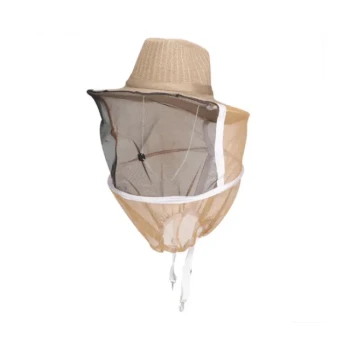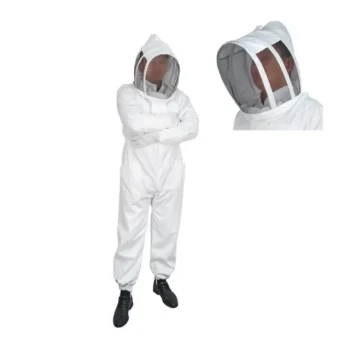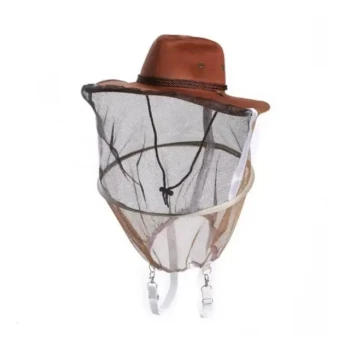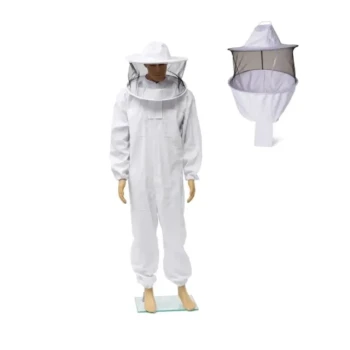
Beekeeping veils protect your face from stings while maintaining critical visibility—but improper cleaning can compromise both. This science-backed guide reveals professional methods to remove propolis and wax without degrading your gear's integrity.
Safeguarding Mesh Integrity During Cleaning
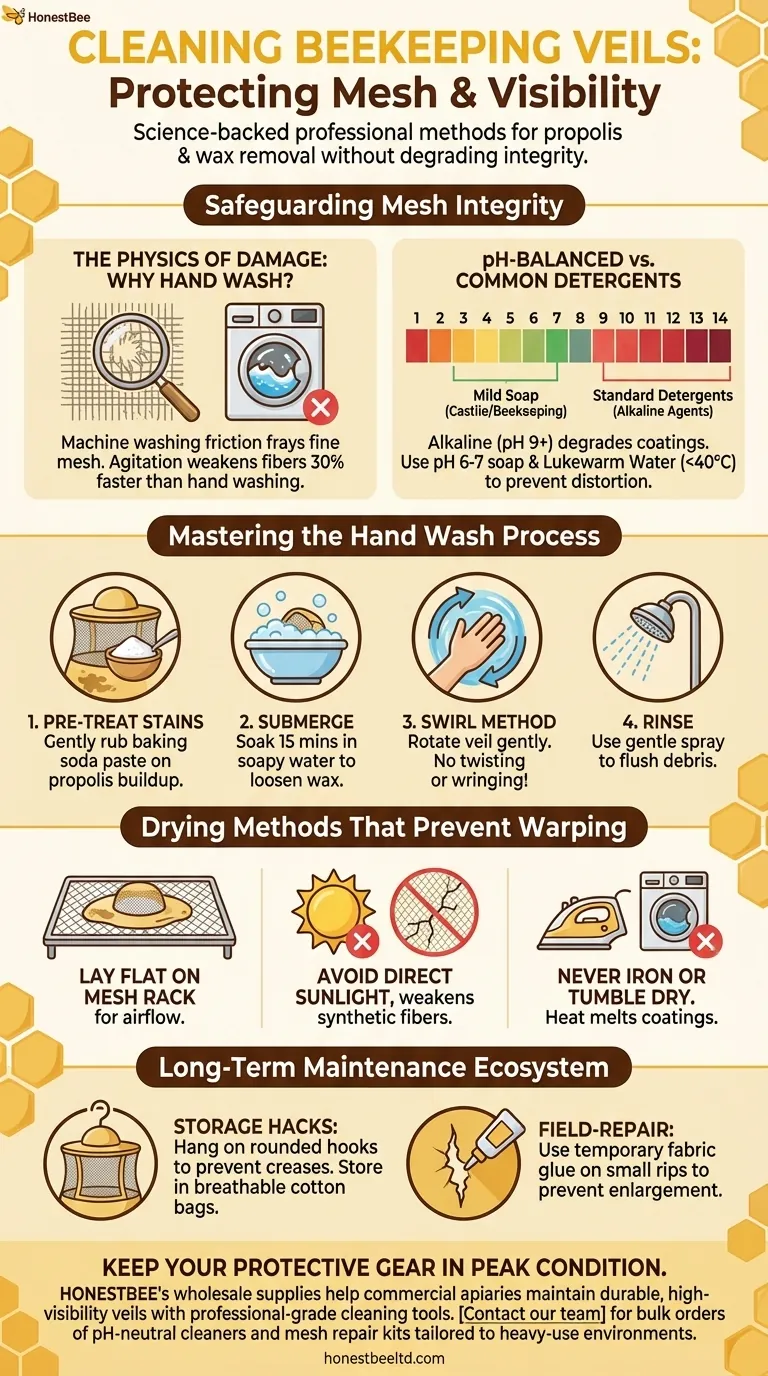
The Physics of Veil Damage: Why Hand Wash?
Machine washing creates friction that frays fine mesh fibers over time. Research shows that:
- Agitation in spin cycles weakens synthetic fibers by over 30% faster than hand washing
- Zippers or frames in washing machines snag delicate netting
Hand washing preserves the veil's tensile strength while effectively dissolving bee residues.
pH-Balanced Solutions vs Common Detergents
Standard detergents often contain:
- Alkaline agents (pH 9+) that degrade polymer coatings on mesh
- Optical brighteners that leave haze-inducing residues
Opt for:
- Mild soap (pH 6–7) like castile or beekeeping-specific cleaners
- Lukewarm water (under 40°C/104°F) to prevent fiber distortion
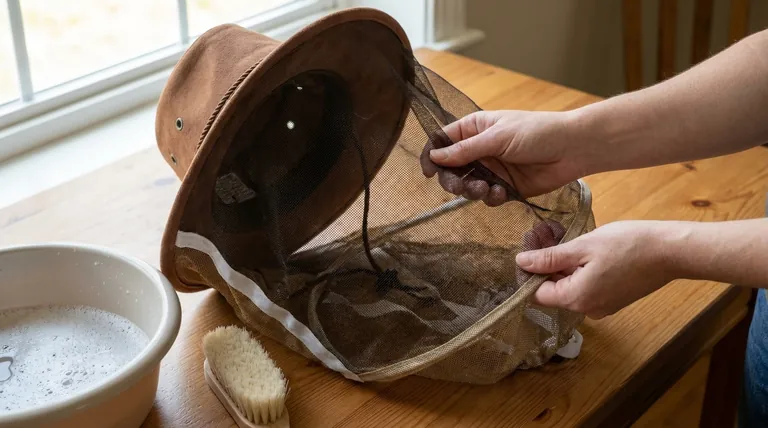
Mastering the Hand Wash Process
Step-by-Step Agitation Techniques for Stain Removal
- Pre-treat stains: Gently rub baking soda paste on propolis buildup
- Submerge: Soak 15 minutes in soapy water to loosen wax
- Swirl method: Rotate veil clockwise in water—no twisting or wringing
- Rinse: Use a showerhead’s gentle spray setting to flush debris
Drying Methods That Prevent Fiber Warping
- Lay flat on a mesh drying rack to allow airflow underneath
- Avoid direct sunlight which weakens synthetic fibers
- Never iron or tumble dry—heat melts mesh coatings
When Manufacturer Guidelines Are Missing
Reverse-Engineering Safe Cleaning Parameters
For unbranded veils:
- Material test: Apply soap to an inconspicuous area first
- Temperature check: Start with room-temperature water
- Time limit: Limit soaking to 20 minutes initially
Long-Term Maintenance Ecosystem
Storage Hacks to Minimize Cleaning Frequency
- Hang veils on rounded hooks to prevent creases that trap dirt
- Store in breathable cotton bags with cedar chips to deter moths
Field-Repairing Small Rips Before Washing
Use temporary fabric glue on tears to prevent enlargement during washing. Permanent mesh patches should be applied after thorough cleaning.
Keep Your Protective Gear in Peak Condition
HONESTBEE’s wholesale beekeeping supplies help commercial apiaries maintain durable, high-visibility veils with professional-grade cleaning tools. [Contact our team] for bulk orders of pH-neutral cleaners and mesh repair kits tailored to heavy-use environments.
Guia Visual
Produtos relacionados
- Chapéu de Apicultor Estilo Cowboy com Véu para Apicultura
- Casaco e véu de algodão branco para apicultores
- Véu de Apicultura Profissional Quadrado Dobrável de Malha de Arame
- Fato de Apicultor Premium de Algodão com Véu de Cercas Reforçado
- Chapéu Premium de Apicultor Estilo Cowboy com Véu de Visibilidade, Equipamento de Proteção Profissional para Apicultura ao Ar Livre
Artigos relacionados
- How to Choose the Best Beekeeping Headgear for Safety and Comfort
- O Ponto Cego do Apicultor: A Ergonomia Cognitiva de um Véu
- Gerenciando a Volatilidade: O Véu como a Interface Mais Crítica do Apicultor
- Como escolher um véu de apicultura: segurança e conforto para principiantes
- Para Além da Colmeia: O Véu de Apicultor como Ferramenta de Foco